Fermented Food | 发酵食物
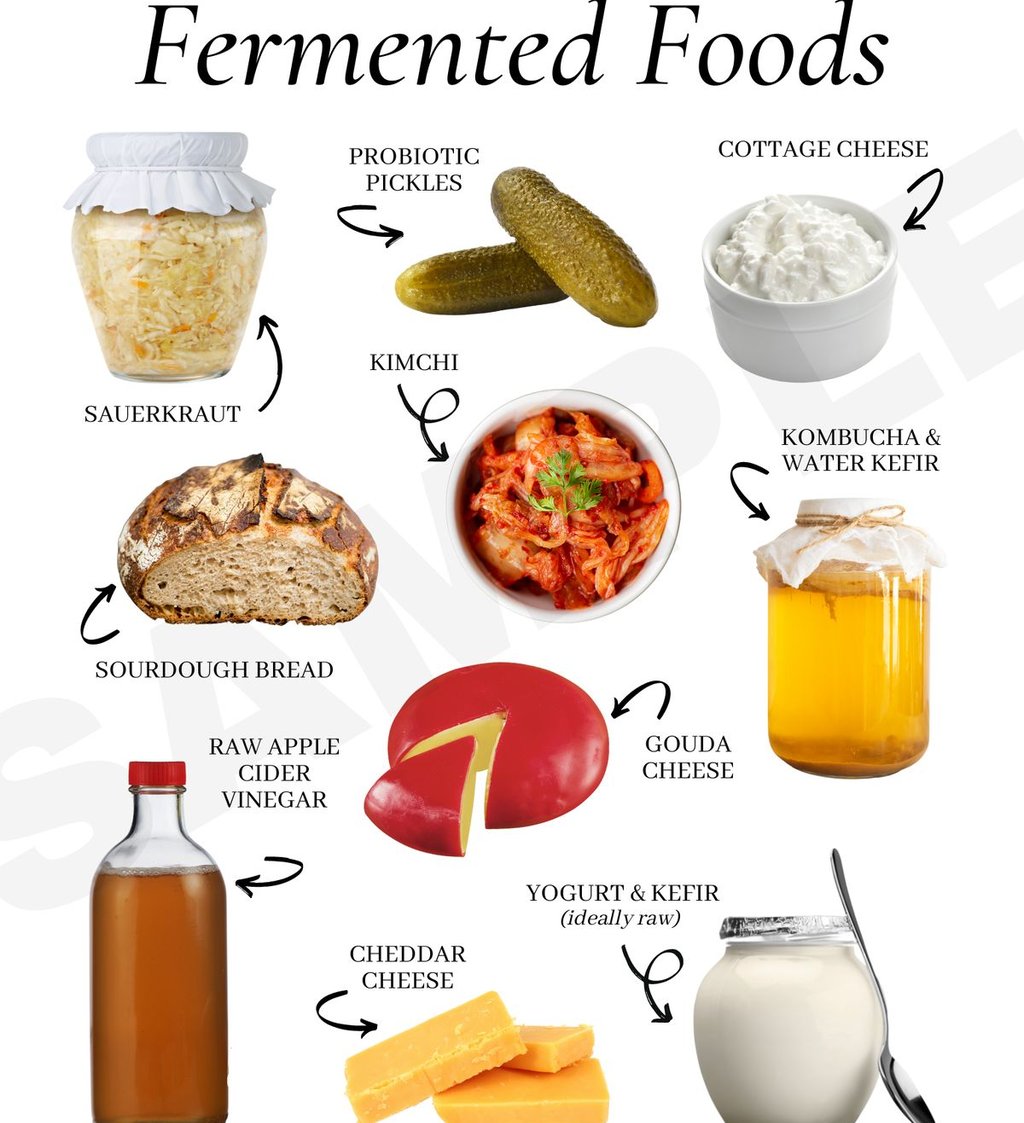
Feed your gut with fermented foods; the secret crew that cleans up your internal act.
DIET
2/8/20264 min read

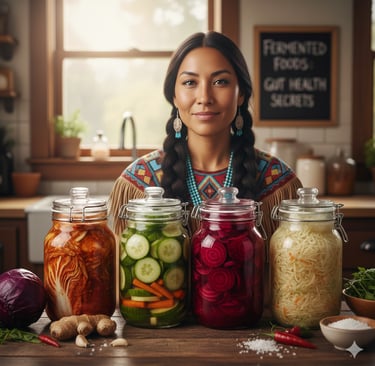
Fermented Food – Health Secret for Gut Health |发酵食物
Disclosure: As an Amazon Associate I earn from qualifying purchases – at no cost to you. 作为亚马逊联盟会员,我从符合条件的购买中获得收益-对你没有任何额外费用。
-------------------------------------------------------------------------
中文 (English Version Follows Below.)
发酵食物:对肠胃的自然的健康方法
从小到大,我们一直听说酸菜很不健康,觉得腌制食物不仅咸得要命,还没营养。但其实,根据近年来的科研发现,发酵食物是调节肠道健康的天然良方。当然,像传统酸菜那样加入过量的盐分确实不可取,但适度的发酵却能带来惊人的益处。
我从2025年开始仔细研究发酵食物的,了解到在发酵过程中产生的益生菌(Probiotics),能显著改善肠道微生物群的平衡,进而增强免疫系统并缓解慢性炎症。
此外,发酵作用能“预消化”食物中的营养成分,使其更易被身体吸收,并产生维生素B群、K2以及多种活性酶。研究表明,经常食用发酵蔬菜不仅能促进消化,还有助于调节情绪和认知功能。因为肠道被称为人类的“第二个大脑”,发酵食物正是滋养它的最佳燃料。
因为担心买来的发酵成品含有多余的化学成分,比如我吃了好几年的Costco款Kimchi, 我开始尝试自制。为了能长期坚持,我总结了下面这3种最简单的做法,又简单又好吃,非常适合新手。
1. 简易辣白菜 (Kimchi)
辣白菜是被证实对改善肠道菌群非常有帮助的超级食物。
所需食材: 大白菜(Napa Cabbage,约4磅)、胡萝卜2根、洋葱一个、生姜末1大片、大蒜4-5瓣、鱼露、韩国辣椒粉。
制作步骤:
1)腌制: 将大白菜剥开,保持长条状不切段。在大盘里铺一层白菜撒一小把盐,重复至铺完。戴上手套按摩均匀。用开水壶装满水压在上面30-60分钟,让盐水渗出。
2)备料: 将胡萝卜和洋葱切丝,大蒜和生姜压扁打碎待用。3)清洗: 腌好后用清水冲洗2-3遍。尝一下咸度,若太咸就挤干水分再冲洗一遍。
4)调味: 沥干水分后,加入胡萝卜丝、洋葱丝、蒜姜末、一调羹鱼露和一调羹辣椒粉。搅拌均匀,根据个人口味调整辣度。有人在这一步,会用搅拌机把说有材料打碎,做出糊糊,我省去了这一步,口感也很好。
5)发酵: 装入干净无油的玻璃罐,室温放置1-2天即可食用,之后移入冰箱保存。
2. 清脆爽口:腌黄瓜 (Pickled Cucumbers)
自制腌黄瓜比超市买的更清脆,且不含防腐剂。我一个星期至少做2次。
做法一(韩式风味): 将黄瓜切片或小段(非有机黄瓜建议去皮),加入姜片、蒜片、一调羹鱼露和辣椒粉,拌匀均匀即可上桌,剩下的放入罐中冷藏24小时风味更佳。
做法二(酸甜清爽): 黄瓜切好后,加入有机椰子糖(或有机红枣糖)、白醋和盐各一调羹,腌制15-30分钟保持脆感。放入罐中冷藏保存。
3. 德式酸菜 (Sauerkraut)
这道菜做起来最省心,而且比外面买的便宜太多。它利用蔬菜自身的乳酸菌发酵,纯天然。
制作方法:
1)揉搓: 将卷心菜(圆白菜或紫甘蓝均可)切细丝,按重量加入约 2% 的食盐。用力揉搓直到卷心菜出水变软。
2)备水: 准备1-2杯水,加入1-2调羹盐搅拌均匀。
3)压实: 将菜丝紧紧压入玻璃罐,倒入揉出的原汁,再用准备好的盐水完全淹没蔬菜(防止发霉)。
4)发酵: 盖上盖子(不要拧死,留点排气缝隙),室内阴凉处放置2-3天(喜欢酸一点的可以放1-2周)。我个人喜欢放2-3天后的口感,然后移入冰箱保存。
4. 蜂蜜大蒜瓣
这个就更简单了,我在Meta上学的,春冬季对预防感冒很好。大蒜瓣脱皮不要打碎,装入一个干净的小瓶子,加入100%纯野生蜂蜜,要完全盖住大蒜瓣。室温内放置3-5个星期,大蒜颜色会渐渐变黄或变黑后,开吃。我一般秋天就开始准备了。
English Version
Fermented Food – The Health Secret for Gut Health
Growing up, we always heard that pickled vegetables were unhealthy—too salty and lacking in nutrients. However, recent scientific research has shown that fermented foods are a natural remedy for regulating gut health. Of course, traditional pickles with excessive salt are still not ideal, but proper fermentation offers incredible benefits.
I began diving deep into the study of fermented foods in 2025. I learned that the probiotics produced during fermentation significantly balance the gut microbiome, which in turn strengthens the immune system and reduces chronic inflammation.
Furthermore, fermentation "pre-digests" nutrients, making them easier for the body to absorb while creating B vitamins, Vitamin K2, and various active enzymes. Some studies even suggest that regular consumption of fermented vegetables helps regulate mood and cognitive function—it is truly fuel for our "second brain."
Because I wanted to avoid the additives and chemicals found in store-bought options (like the Costco kimchi I ate for years), I started making my own. To make sure I could stick with the habit, I focused on these three simple, delicious methods that are perfect for beginners:
1. Simple Napa Cabbage Kimchi
Kimchi is a superfood proven to balance gut flora. I skip the complicated porridge-making and keep it rustic.
Ingredients: 1 whole Napa cabbage (about 4 lbs), 2 carrots, 1 onion, 1 large piece of minced ginger, 4–5 cloves of garlic, fish sauce, and Korean chili powder (Gochugaru).
Steps:1)Salting: Peel the cabbage leaves but keep them whole for a better crunch. Layer them in a large tray, sprinkling a handful of salt between layers. Massage the salt in. Use a heavy object (like a full tea kettle) to weigh it down for 30–60 minutes to draw out the moisture.
2)Prep: Shred the carrots and onion. Mince the garlic and ginger (or use a blender).
3)Rinsing: Rinse the cabbage 2–3 times under the tap. Taste a piece; if it’s too salty, squeeze it dry and rinse once more.
4)Mixing: Mix the drained cabbage with the carrots, onion, garlic, and ginger. Add 1 tbsp of fish sauce and 1 tbsp of chili powder. Mix by hand (use gloves!) and adjust the spice to your liking.
5)Fermenting: Pack into a clean glass jar. Leave at room temperature for 1–2 days, then move to the fridge.
2. Crispy Pickled Cucumbers
I make these at least three times a week. They are crispier than store-bought versions and contain zero preservatives.
Method 1 (Savory/Spicy): Slice the cucumbers (peel them if not organic). Mix with ginger slices, garlic, 1 tbsp fish sauce, and chili powder. You can eat this immediately or let it sit in the fridge for 24 hours for better flavor.
Method 2 (Sweet & Sour): Slice the cucumbers and add organic coconut sugar (or organic date sugar), 1 tbsp white vinegar, and 1 tbsp salt. Let it marinate for 15–30 minutes to stay crunchy. Store in the fridge for up to 24 hours.
3. Homemade Sauerkraut
This is the easiest and cheapest of all. Authentic sauerkraut only needs two things: cabbage and salt.
Steps:
1)Massaging: Finely shred a head of cabbage (white or purple). Add about 2% salt by weight. Massage the cabbage vigorously until it softens and releases its own juices.
2)Brine Prep: Mix 1–2 cups of water with 1–2 tbsp of salt as a backup brine.
3)Packing: Pack the shredded cabbage tightly into a glass jar. Pour the natural juices over it, then use the backup brine to ensure the cabbage is completely submerged (this prevents mold).
4)Fermenting: Cover with a lid but do not seal it airtight (to let gas escape). Leave in a cool spot for 2–3 days. I prefer it less sour, so I move it to the fridge after 3 days, though some prefer fermenting for 1–2 weeks.
4. Honey Garlic Cloves
This one is even simpler—I learned it on Meta. It’s excellent for preventing colds during the spring and winter.
Preparation: Peel the garlic cloves but do not crush or mince them.
Method: Place the cloves into a clean small jar and pour in 100% pure wild honey until the garlic is completely submerged.
Fermented: Leave the jar at room temperature for 3 to 5 weeks. You will notice the garlic gradually turning yellow or even dark/black—that’s when it’s ready to eat.
I usually start preparing mine in the autumn so it's ready for the colder months.
References
Kashyap, P. (2018). What patients should know about probiotics.
Fermented foods are a natural and healthy way to support gut health by introducing beneficial live bacteria that strengthen the microbiome and improve digestion.
Dimidi E, Cox SR, Rossi M, Whelan K.(August,2019). Fermented Foods: Definitions and Characteristics, Impact on the Gut Microbiota and Effects on Gastrointestinal Health and Disease. Nutrients, 11(8):1806. doi: 10.3390/nu11081806. PMID: 31387262; PMCID: PMC6723656.
This article (PMC6723656) concludes that while fermented foods show promising health benefits in laboratory and animal studies—such as increasing liver detoxifying enzymes and improving gut microbiota—there is currently limited high-quality clinical evidence from human trials to definitively prove their effectiveness in treating or managing gastrointestinal and liver diseases.
声明|Disclosure
As an Amazon Associate I earn from qualifying purchases – at no cost to you.
作为亚马逊联盟会员,我从符合条件的购买中获得收益
— 对你没有任何额外费用。
网站设计 |Website Design
喜欢我的网站设计吗? Hostinger 的AI模版帮了不少忙,不需要懂编程。用我的链接省20% 。
Like my website created with Hostinger? Its AI-assisted function can help a beginner develop a website with great vision and experience without knowing coding! Use my Hostinger referral link to save 20% off。喜欢我的网站设计吗? Hostinger 的AI模版帮了不少忙,不需要懂编程。用我的链接省20% 。
© 2026. All rights reserved.